TELEPHONES ANSWERED 24 HOURS A DAY

FREE CONSULTATION
312-629-0669


Recent Blog Posts
Why You Need to Fight False Domestic Violence Accusations
 As in most states across the country, domestic violence laws in Illinois are designed to keep families safe and to provide immediate protection to victims. The goal is to make it as easy as possible for victims of domestic violence to come forward and report their abuse and to obtain protection from further harm. While the purpose of the laws are sincere, they are often abused. False domestic violence allegations occur frequently both in Illinois and across the country, and can be seriously damaging to the accused abuser and their family. If you have been falsely accused of domestic violence, do not leave your future in jeopardy. A qualified Illinois criminal defense attorney can help.
False Accusations
Under Illinois law, domestic violence is defined as any abusive behavior such as harassment, intimidation, or physical abuse inflicted on a family member or household member. This includes psychological and physical crimes such as threatening, repeated contact with a victim, assault, and stalking. The goal of the state’s broad definition is to protect victims, but the system is unfortunately abused frequently. An individual could be accused of domestic violence for something as seemingly trivial as multiple text messages or a minor argument. Even a gesture that is interpreted as aggressive could result in domestic violence accusations.
Understandably, those falsely accused of domestic violence are frequently angry, scared, and upset. It is important to understand that false allegations can be fought, and failing to do so could result in a lifetime of potential hardships.
Serious Consequences
Being falsely accused of domestic violence could lead to a serious issues if the accusations are not fought. Those accused face potential prison time, fines, and a mark on permanent records. Your future career, housing, education, and civil rights could be in jeopardy as well. Potential future employers, landlords, loan providers, and higher education officials all may have access to your records, and may make it difficult for you to obtain a job, housing, or further your education.
Teachers, doctors, and other professionals may lose their licenses or face other consequences. They may be forced from their jobs, banned from working with firearms or explosives, and prevented from ever holding a government job or public office position. Additionally, those convicted of domestic violence may be required to pay for and complete treatment such as counseling and anger management.
False domestic violence accusations can have serious repercussions for your family as well. If an order of protection is put in place against you, you may be prevented from spending time with your children and your parental decision making powers may be limited. While you may be banned from visiting your own home, you could be required to continue paying household utilities, your mortgage, insurance, and other household expenses. If you are convicted of domestic violence, your parental abilities may be restricted even further. You may be forced to only visit with your children while under supervision or in public locations. If you are deemed a threat to your children, you may not be granted any visitation at all.
Weakening the Illinois Criminal Justice System
In additional to consequences for you and your family, false accusations of domestic violence weaken the Illinois criminal justice system. False accusations take the spotlight away from the real victims of violence, who truly do need legal assistance.
As in most states across the country, domestic violence laws in Illinois are designed to keep families safe and to provide immediate protection to victims. The goal is to make it as easy as possible for victims of domestic violence to come forward and report their abuse and to obtain protection from further harm. While the purpose of the laws are sincere, they are often abused. False domestic violence allegations occur frequently both in Illinois and across the country, and can be seriously damaging to the accused abuser and their family. If you have been falsely accused of domestic violence, do not leave your future in jeopardy. A qualified Illinois criminal defense attorney can help.
False Accusations
Under Illinois law, domestic violence is defined as any abusive behavior such as harassment, intimidation, or physical abuse inflicted on a family member or household member. This includes psychological and physical crimes such as threatening, repeated contact with a victim, assault, and stalking. The goal of the state’s broad definition is to protect victims, but the system is unfortunately abused frequently. An individual could be accused of domestic violence for something as seemingly trivial as multiple text messages or a minor argument. Even a gesture that is interpreted as aggressive could result in domestic violence accusations.
Understandably, those falsely accused of domestic violence are frequently angry, scared, and upset. It is important to understand that false allegations can be fought, and failing to do so could result in a lifetime of potential hardships.
Serious Consequences
Being falsely accused of domestic violence could lead to a serious issues if the accusations are not fought. Those accused face potential prison time, fines, and a mark on permanent records. Your future career, housing, education, and civil rights could be in jeopardy as well. Potential future employers, landlords, loan providers, and higher education officials all may have access to your records, and may make it difficult for you to obtain a job, housing, or further your education.
Teachers, doctors, and other professionals may lose their licenses or face other consequences. They may be forced from their jobs, banned from working with firearms or explosives, and prevented from ever holding a government job or public office position. Additionally, those convicted of domestic violence may be required to pay for and complete treatment such as counseling and anger management.
False domestic violence accusations can have serious repercussions for your family as well. If an order of protection is put in place against you, you may be prevented from spending time with your children and your parental decision making powers may be limited. While you may be banned from visiting your own home, you could be required to continue paying household utilities, your mortgage, insurance, and other household expenses. If you are convicted of domestic violence, your parental abilities may be restricted even further. You may be forced to only visit with your children while under supervision or in public locations. If you are deemed a threat to your children, you may not be granted any visitation at all.
Weakening the Illinois Criminal Justice System
In additional to consequences for you and your family, false accusations of domestic violence weaken the Illinois criminal justice system. False accusations take the spotlight away from the real victims of violence, who truly do need legal assistance.
All too often, alleged victims use the Illinois domestic violence system for personal gain. They attempt to leverage divorce proceedings or file false accusations to get revenge against their spouse. Do not let false accusations against you affect you for the rest of your life. Your future, and the future of your family could be in jeopardy. The skilled Chicago criminal defense attorneys at the Law Offices of Hal M. Garfinkel LLC, Chicago Criminal Defense Attorney are here to help. If you have been wrongly accused of domestic violence, call 312-629-0669 today to schedule your free consultation with us.
Chicago Officials Hope Demolishing Vacant Buildings Will Help in Reducing Crime
 Abandoned buildings and vacant lots are frequently criminal hot spots. As Chicago officials search for ways to reduce crime within the city, the Chicago Department of Buildings has initiated their plan to demolish over 900 vacant homes and board up many others in hopes of curbing illegal activity. While the city has taken similar action in the past - over 250 buildings were demolished in 2012 - this project is different, as the Department of Buildings is working with the Chicago Police to specifically target high crime areas throughout the city. The first of the 900 homes to be demolished was brought down in February, with many more to come, mostly in the Calumet, Englewood, Harrison, and Deering police districts.
Fewer Locations for Crime to Take Place
Chicago officials say the goal is to remove potential gathering places for drug users, gang activity, prostitution, and other illegal activities. “We plan on expanding it to different locations throughout the city,” says the Chief of Patrol of the Chicago PD. “This is just one of the tools in our toolbox that we are going to utilize to make the city safer.” Police say that by fast tracking the demolition of these abandoned properties, criminals will have a tougher time finding locations to commit crimes. “These vacant buildings, we know that they are targets for gangs to gather and commit nefarious activity, such as storing weapons or selling illegal drugs.”
In addition to the 900 some homes slated to be demolished, the city plans to board up hundreds of others. In 2015, the city boarded up around 3,000 vacant buildings in hopes of deterring criminal activity, and 425 have already been boarded up this year.
Building Communities Up
While some of the future vacant lots may be passed off to private developers, city officials are hoping that in addition to curbing crime, demolishing the vacant homes will help build up Chicago communities, thanks to an effort known as the Large Lot Program. According to the city, the Large Lot program helps re-establish communities by allowing vacated, city owned lots to sell to individuals who already own property on the same block for as low as $1. The city says the program aims to “stabilize neighborhoods, control public access to properties and prevent loitering.” The Chicago Buildings Commissioner says that thanks to the city's efforts, not only will crime be reduced, but community members will also be able to repurpose the abandoned spaces to enhance their community.
Protection from Criminal Charges
Be it on an abandoned lot or elsewhere, committing a crime can lead to serious consequences. As Chicago officials expand efforts to curb crime within the city, everyone should refrain from illegal activity. If you are facing criminal charges, your future may be in jeopardy. You need the help of a qualified Chicago area criminal attorney. Attorney Hal M. Garfinkel and his team have years of combined experience handling a variety of criminal cases. Do not leave your fate in the hands of the Chicago legal system. Call 312-629-0669 today to schedule your free consultation with us. We offer affordable, effective solutions to our clients.
Sources:
https://www.dnainfo.com/chicago/20160223/roseland/city-speed-up-demolition-of-vacant-buildings-cut-down-on-crime
Abandoned buildings and vacant lots are frequently criminal hot spots. As Chicago officials search for ways to reduce crime within the city, the Chicago Department of Buildings has initiated their plan to demolish over 900 vacant homes and board up many others in hopes of curbing illegal activity. While the city has taken similar action in the past - over 250 buildings were demolished in 2012 - this project is different, as the Department of Buildings is working with the Chicago Police to specifically target high crime areas throughout the city. The first of the 900 homes to be demolished was brought down in February, with many more to come, mostly in the Calumet, Englewood, Harrison, and Deering police districts.
Fewer Locations for Crime to Take Place
Chicago officials say the goal is to remove potential gathering places for drug users, gang activity, prostitution, and other illegal activities. “We plan on expanding it to different locations throughout the city,” says the Chief of Patrol of the Chicago PD. “This is just one of the tools in our toolbox that we are going to utilize to make the city safer.” Police say that by fast tracking the demolition of these abandoned properties, criminals will have a tougher time finding locations to commit crimes. “These vacant buildings, we know that they are targets for gangs to gather and commit nefarious activity, such as storing weapons or selling illegal drugs.”
In addition to the 900 some homes slated to be demolished, the city plans to board up hundreds of others. In 2015, the city boarded up around 3,000 vacant buildings in hopes of deterring criminal activity, and 425 have already been boarded up this year.
Building Communities Up
While some of the future vacant lots may be passed off to private developers, city officials are hoping that in addition to curbing crime, demolishing the vacant homes will help build up Chicago communities, thanks to an effort known as the Large Lot Program. According to the city, the Large Lot program helps re-establish communities by allowing vacated, city owned lots to sell to individuals who already own property on the same block for as low as $1. The city says the program aims to “stabilize neighborhoods, control public access to properties and prevent loitering.” The Chicago Buildings Commissioner says that thanks to the city's efforts, not only will crime be reduced, but community members will also be able to repurpose the abandoned spaces to enhance their community.
Protection from Criminal Charges
Be it on an abandoned lot or elsewhere, committing a crime can lead to serious consequences. As Chicago officials expand efforts to curb crime within the city, everyone should refrain from illegal activity. If you are facing criminal charges, your future may be in jeopardy. You need the help of a qualified Chicago area criminal attorney. Attorney Hal M. Garfinkel and his team have years of combined experience handling a variety of criminal cases. Do not leave your fate in the hands of the Chicago legal system. Call 312-629-0669 today to schedule your free consultation with us. We offer affordable, effective solutions to our clients.
Sources:
https://www.dnainfo.com/chicago/20160223/roseland/city-speed-up-demolition-of-vacant-buildings-cut-down-on-crime
http://chicago.cbslocal.com/2016/02/23/city-targeting-vacant-buildings-for-demolition-to-reduce-crime/
Proposed Law Addresses Drones and Prison Areas
 Inmates and their accomplices on the outside have often utilized crafty methods to smuggle contraband. Now, as drones grow in popularity and number across the country, some creative inmates have begun using the unmanned aircraft to deliver banned items like drugs, weapons, and cellphones to prison yards. While Illinois itself has yet to have an incident like this occur, other surrounding states have had recent, problematic incidents with drones, and one Illinois lawmaker has proposed a new measure in hopes of keeping drones away from prisons within the state.
New Technology, New Problems
Prisons across the country are worried about the use of drones as incidents of inmates receiving banned substances dropped in prison yards by drones have increased over the past year. A few months ago in Mansfield, Ohio, a drone delivered a package containing marijuana, tobacco, and heroin to a prison yard, which sparked a violent brawl between the inmates. In Maryland, two men were recently arrested for plans to use a drone to deliver pornography, a cellphone, and illegal drugs to a prison. Last October, officials at the Oklahoma State Penitentiary discovered a drone that had crashed on prison grounds carrying a cellphone, heroin, and hacksaw blades.
Chicago Campuses May Experience More Violent Crime than Reported
 When high school seniors choose which university to attend, the safety of the campus is an important factor to consider. Thanks to the Jeanne Clery Disclosure of Campus Security Policy and Campus Crime Statistics Act, more commonly called the Clery Act, most American universities are required to report any violent crime that occurs each year on campus. The data, which includes the number of rapes, incidents of stalking, and assaults and other violent crimes that occur on campus, is accessible to students and parents to review when selecting a college to attend. As a recent report shows, however, six Chicago area universities, and potentially many more across the country, may be more dangerous than their reported numbers portray.
Location Matters
The Clery Act, named in honor of a student who was murdered on a Pennsylvania campus in 1986, mandates that any college in America that receives any type of federal aid must provide a yearly report of crime on campus, campus being the key word. In December 2014, a 23-year-old student of Loyola University was fatally shot one block off of the university’s main campus. When Loyola released their 2014 crime report, the number of homicides was listed as zero. This is, as a university spokesperson reported, due to the fact that the Clery Act only requires that schools report on crimes that happen within a certain geographic location. “The crime occurred near Albion and Lakewood, which per the Clery Act, is not within the university’s reportable geographical boundaries.”
The Ten Most Frequently Committed Crimes among Illinois Inmates
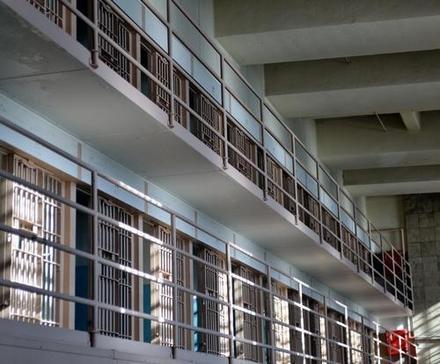 Have you ever wondered which crimes are the most prevalent in the state of Illinois? While gun violence and homicide rates have captured the media’s attention lately, new numbers released by the Illinois Department of Corrections may indicate which crimes are actually the most popular in the state. The department surveyed the state’s inmate population of over 45,000 inmates spread across 25 correctional facilities, and recorded their offense in one of 28 categories, including murder, robbery, and burglary. Based on their findings, here are the top ten most common crimes committed by Illinois inmates. Robbery
Number of Inmates: 1,616
Percent: 3.3 In Illinois, robbery is theft of money or property through the use of violence of fear. Aggravated or armed robbery indicates a deadly weapon may have been used, or the victim of the robbery was injured. DUI
Can the Police Search My Digital Data without a Warrant?
 One of the most important rights in the U.S. Constitution is the right to be free from unreasonable searches and seizures. Modern technology has challenged the courts to decide what kinds of searches are unreasonable and how much privacy normal citizens have with their electronic data.
Permission and Emergencies
The U.S. Supreme Court has held that under normal circumstances law enforcement needs a warrant before they can search the contents of a cell phone or a computer. The Court recognized that some of our most personal information is now kept in electronic format.
However, there are a few important exceptions to this rule. If you give law enforcement permission to search your computer or your cell phone, they do not need a warrant. It is almost never in your best interest to give the police permission to do something that normally requires a warrant. You may be giving up your right to later challenge their actions.
Getting Tried Twice: Understanding Double Jeopardy
 One of the fundamental rights guaranteed under both the U.S. Constitution and the Illinois State Constitution is the right not to be tried twice for the same crime. This is called double jeopardy. While the underlying principle is clear, in practice it can be confusing.
When Have You Been Tried For a Crime?
The question of what it means to be tried for a crime is at the heart of double jeopardy laws. Many assume that if someone is charged with a crime, appears in court and the charges are dropped, they have been tried for the crime. However, under both federal law and Illinois state law, simply making an appearance in a criminal case does not mean you have been tried.
If you were charged and arraigned on a charge, but for whatever reason the prosecution dismissed the charges, you could still be charged again for the same crime later, as long as the statute of limitations has not expired.
Why You Need to Hire a Criminal Defense Attorney
 Innocent or not, having criminal charges filed against you is a very serious matter, and facing those charges can be stressful. The legal system in Illinois is complicated, and those with criminal charges have to navigate past obstacles, trials, pleadings, paperwork, and a variety of other serious legal procedures. While some may suggest that hiring a criminal defense attorney is not necessary, doing it on your own can be extremely challenging. Even those with legal knowledge may not be equipped to handle their own criminal case. Do not go through this stressful time alone. A skilled criminal defense attorney can help ease your anxiety and help you navigate the complexities of the legal system. Here we explore a few of the many benefits a criminal defense attorney can provide to you and your case.
They Understand the Criminal Justice System
A criminal defense attorney is the best support anyone facing criminal charges can have. A qualified attorney will have experience navigating the legal system, and will be able to help their clients in numerous ways. They are specialized in criminal law, and can help their clients build a strong case. They will help you review evidence, and will also ensure to take advantage of any legal loopholes that may work in your benefit.
Additionally, an experienced criminal defense attorney will likely know the prosecution, the judges, and other members of the criminal law system. This knowledge and experience will help an attorney build a stronger case, and they may be able to make agreements with the prosecution to reduce harsh penalties or ask for leniency.
They Can Help You Strategize
A good defense requires strategy. A criminal defense attorney can review your case and help you design a strong strategy for your defense. In preparation for trial, they may conduct their own investigations, make negotiations, and use a variety of other tactics to help their client get a beneficial outcome.
They Will Take Action Quickly
In many instances, the longer a criminal case lasts, the lower your chances of success. An attorney can help you take action immediately, which can provide a more beneficial outcome. If you wait to seek help, you are simply allowing the prosecutors a chance to build a stronger case against you. Additionally, because a defense attorney has experience with the legal system, they can help you navigate the process quickly and accurately.
They Have a Team Behind Them
Building a good defense is not easy matter, and requires serious work beforehand. Fortunately, when you hire a criminal defense attorney, you will also benefit from the staff they have behind them. Gathering and reviewing evidence, finding experts to testify on your behalf, seeking out witnesses, and preparing important documents all take time, and an experienced criminal defense attorney should have a qualified staff who are able to help.
They Can Protect You
It is common for prosecutors to dole out harsh penalties to those accused of committing a crime. A criminal defense attorney can help protect you from any unfair sentencing, and will fight to reduce any consequences you may be facing. Also, keep in mind that once you hire an attorney, all contact with law enforcement has to go through your lawyer first. This will help protect you from any encounters with law enforcement where you may be pressured or intimidated into saying something damaging.
Innocent or not, having criminal charges filed against you is a very serious matter, and facing those charges can be stressful. The legal system in Illinois is complicated, and those with criminal charges have to navigate past obstacles, trials, pleadings, paperwork, and a variety of other serious legal procedures. While some may suggest that hiring a criminal defense attorney is not necessary, doing it on your own can be extremely challenging. Even those with legal knowledge may not be equipped to handle their own criminal case. Do not go through this stressful time alone. A skilled criminal defense attorney can help ease your anxiety and help you navigate the complexities of the legal system. Here we explore a few of the many benefits a criminal defense attorney can provide to you and your case.
They Understand the Criminal Justice System
A criminal defense attorney is the best support anyone facing criminal charges can have. A qualified attorney will have experience navigating the legal system, and will be able to help their clients in numerous ways. They are specialized in criminal law, and can help their clients build a strong case. They will help you review evidence, and will also ensure to take advantage of any legal loopholes that may work in your benefit.
Additionally, an experienced criminal defense attorney will likely know the prosecution, the judges, and other members of the criminal law system. This knowledge and experience will help an attorney build a stronger case, and they may be able to make agreements with the prosecution to reduce harsh penalties or ask for leniency.
They Can Help You Strategize
A good defense requires strategy. A criminal defense attorney can review your case and help you design a strong strategy for your defense. In preparation for trial, they may conduct their own investigations, make negotiations, and use a variety of other tactics to help their client get a beneficial outcome.
They Will Take Action Quickly
In many instances, the longer a criminal case lasts, the lower your chances of success. An attorney can help you take action immediately, which can provide a more beneficial outcome. If you wait to seek help, you are simply allowing the prosecutors a chance to build a stronger case against you. Additionally, because a defense attorney has experience with the legal system, they can help you navigate the process quickly and accurately.
They Have a Team Behind Them
Building a good defense is not easy matter, and requires serious work beforehand. Fortunately, when you hire a criminal defense attorney, you will also benefit from the staff they have behind them. Gathering and reviewing evidence, finding experts to testify on your behalf, seeking out witnesses, and preparing important documents all take time, and an experienced criminal defense attorney should have a qualified staff who are able to help.
They Can Protect You
It is common for prosecutors to dole out harsh penalties to those accused of committing a crime. A criminal defense attorney can help protect you from any unfair sentencing, and will fight to reduce any consequences you may be facing. Also, keep in mind that once you hire an attorney, all contact with law enforcement has to go through your lawyer first. This will help protect you from any encounters with law enforcement where you may be pressured or intimidated into saying something damaging.
Do not leave your fate in the hands of someone inexperienced. When facing criminal charges, your future and the future of your family could be on the line. At the Law Offices of Hal M. Garfinkel LLC, Chicago Criminal Defense Attorney, our attorneys have experience handling a wide variety of criminal cases. Hal himself is a former Illinois prosecutor, and he and his team will work to serve you in any way possible. Contact a skilled Chicago criminal defense attorney today at 312-629-0669 to schedule your free consultation.
How A Parent’s Criminal Record Affects Their Children
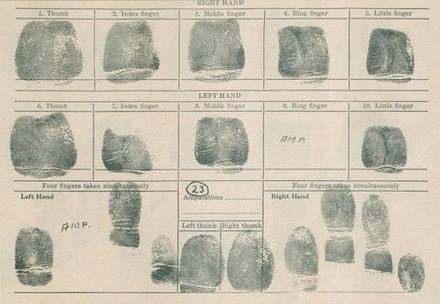 The United States of America is the number one country in the world for incarceration and arrest rates. For nearly four decades, the number of individuals in federal prisons, state prisons, and jail has skyrocketed, and today, nearly 2.3 million Americans are incarcerated. Many of today’s lawmakers, including the Governor of Illinois, have stated future goals of reducing prison populations in their states for a number of reasons. Arrest and incarceration can lead individuals to a lifetime of arrests, jail time, and fines, keeping themselves in poverty and costing individual states and ultimately American taxpayers a significant sum of money. Moving forward with a criminal record can be difficult, but having a criminal record can affect others in a defendant's too. A recent report from the Center for American Progress indicates that children with at least one parent with a criminal record face challenges.
How Are Children Affected?
The United States of America is the number one country in the world for incarceration and arrest rates. For nearly four decades, the number of individuals in federal prisons, state prisons, and jail has skyrocketed, and today, nearly 2.3 million Americans are incarcerated. Many of today’s lawmakers, including the Governor of Illinois, have stated future goals of reducing prison populations in their states for a number of reasons. Arrest and incarceration can lead individuals to a lifetime of arrests, jail time, and fines, keeping themselves in poverty and costing individual states and ultimately American taxpayers a significant sum of money. Moving forward with a criminal record can be difficult, but having a criminal record can affect others in a defendant's too. A recent report from the Center for American Progress indicates that children with at least one parent with a criminal record face challenges.
How Are Children Affected?
In Illinois, an estimated 300,000 children have at least one parent with a criminal record. Nationwide, nearly half of all United States children are affected in some way by a parent with a criminal record. Somewhere between 70 and 100 million Americans, possibly as many as one in every three adults, have some type of criminal record. They may simply have a misdemeanor on their record, and many have been arrested but never convicted. Regardless of the crime, and if the individual was punished or not, a mark on one’s criminal record can bring with it a lifetime of consequences, for both the individual and their family members.
Employee Theft Is Major Problem in America
 Retail theft is a serious problem across the globe. In the United States alone, retail theft and other losses, known collectively as shrinkage, account for $42 billion dollars in losses each year, according to an annual study known as the Global Retail Theft Barometer.
Why are American’s stealing from their employers? The report says that reasons include “Ineffective pre-employment screening, less employee supervision, and easy sale of stolen merchandise.”
134 N LaSalle St, Suite 860,
Chicago, IL 60602
TELEPHONES ANSWERED
24 HOURS A DAY
312-629-0669
Chicago Criminal Defense Attorney134 N LaSalle St, Suite 860,
Chicago, IL 60602312-629-0669

