TELEPHONES ANSWERED 24 HOURS A DAY

FREE CONSULTATION
312-629-0669


What Are the Defenses to White Collar Crimes?
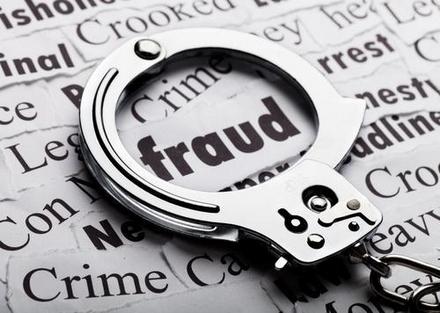
White collar crimes are non-violent offenses that are typically committed for financial gain. Embezzlement, securities fraud, money laundering, and insider trading are all common examples of white-collar crimes. Although white collar crimes might not seem as serious as felonies like murder or aggravated assault, a conviction can still lead to large fines and a lengthy federal prison sentence.
Anyone charged with a white collar crime should work with an attorney who understands the defenses for these crimes and how to effectively implement them. Our Chicago, IL federal criminal defense lawyer previously worked as a prosecutor, which means he can anticipate arguments from the other side and work around them.
What Defenses Can You Raise in a White Collar Crime Case in 2026?
If you are facing charges for a white collar crime, our firm can look at several common defenses used in these cases to see if they apply to your case. We will look for ways to get the charges reduced to minimize the effects on your future, or fight for a dismissal when possible.
Finding Weaknesses in the Prosecution’s Case
Federal prosecutors typically do not take cases to trial unless they have a fair amount of evidence and have built a strong case against the defendant. Still, this does not mean that every case a prosecutor takes is ironclad. A defense attorney can look for holes or errors in the prosecution’s case and contest key points in their argument.
Lack of Intent
Intent can be a critical issue in white collar crime allegations, especially when it involves conduct that could be interpreted in different ways. Sometimes, the defendant might have just made a mistake, and may not have even benefited financially from the act. If prosecutors cannot prove the intent required for the specific charge, that can be an important defense.
Lack of Knowledge
Not knowing that an act was illegal is usually not a defense. For example, defendants usually cannot say that they did not know they were committing a crime and use that as a defense. But some white collar crimes require prosecutors to prove that the defendant knowingly took part in illegal conduct. If the defendant did not know a transaction or plan involved a crime, that lack of knowledge can be important to the defense.
Coercion
Coercion, or being forced to commit a crime, is also a valid defense to some white collar crimes. For example, it can apply when a person commits a crime because of an immediate threat of death or serious bodily harm and has no reasonable legal way to avoid the threat.
Entrapment
Entrapment is largely misunderstood and many defendants think that if an undercover officer got them to commit a crime, it is automatically entrapment. That is not the case. Entrapment can apply when the government pressures someone into committing a crime they were not already willing to commit. An undercover officer simply giving someone an opportunity to commit a crime is not enough.
Do You Need a Defense Attorney to Fight a White Collar Crime Charge?
A white collar crime charge can put your job, your savings, and your freedom at risk. These cases often involve large amounts of paperwork, bank records, and digital data. At Law Offices of Hal M. Garfinkel LLC, Chicago Criminal Defense Attorney, we review that evidence closely and look for weak points in the case against you. We can defend people facing charges such as:
- Mortgage fraud: We can examine loan files and closing papers to push back against claims of fraudulent intent.
- Bank fraud: We can question whether you truly meant to deceive a bank or simply made an error.
- Internet crimes: We can review how police gathered digital evidence and whether they followed the law.
- Credit card offenses: We may question whether prosecutors can prove you knew a card was stolen or used without permission.
- Wire fraud: Federal law makes it a crime to use phone lines, email, or the internet to carry out a scheme to cheat someone out of money or property (18 U.S.C. Sec.1343). We can challenge whether a real scheme existed.
- Money laundering: We can trace the flow of funds and show where the money truly came from.
- Identity theft: We can test whether the evidence ties you to the unlawful use of another person's information.
Intent is at the center of many of these cases. The prosecution often has to prove that you meant to deceive or steal. Our defense team can push back on that claim with records, witness statements, and expert review. We may also challenge searches, seizures, and statements taken in violation of your rights.
Should You Take a Plea Agreement in a White Collar Case?
A plea agreement in a white collar case can seem like a quick way to put the matter behind you. Prosecutors may offer a lighter charge or a shorter sentence in exchange for a guilty plea. Still, you should think carefully before you accept any deal.
A plea is not always the wrong choice. Sometimes the evidence is strong, and a deal may reduce the penalties you face. In other cases, the prosecution's case has gaps that could lead to a dismissal or an acquittal. You will not know which path is best until the evidence has been reviewed.
Never sign a plea agreement without first understanding what you are giving up. Our firm can explain the terms of any offer, weigh it against your chances at trial, and help you make an informed choice.
Contact Our Chicago, IL Federal Crime Defense Attorney
If you have been charged with a white collar crime or any other federal offense, you need the help of an experienced Chicago, IL white collar crime defense lawyer. At Law Offices of Hal M. Garfinkel LLC, Chicago Criminal Defense Attorney, we will review the facts of your case, possible defenses, and we will make sure nothing is overlooked when going over your strategy. Call us today at 312-629-0669 or contact us online to arrange a free consultation so we can get started on your case.
134 N LaSalle St, Suite 860,
Chicago, IL 60602
TELEPHONES ANSWERED
24 HOURS A DAY
312-629-0669
Chicago Criminal Defense Attorney134 N LaSalle St, Suite 860,
Chicago, IL 60602312-629-0669

